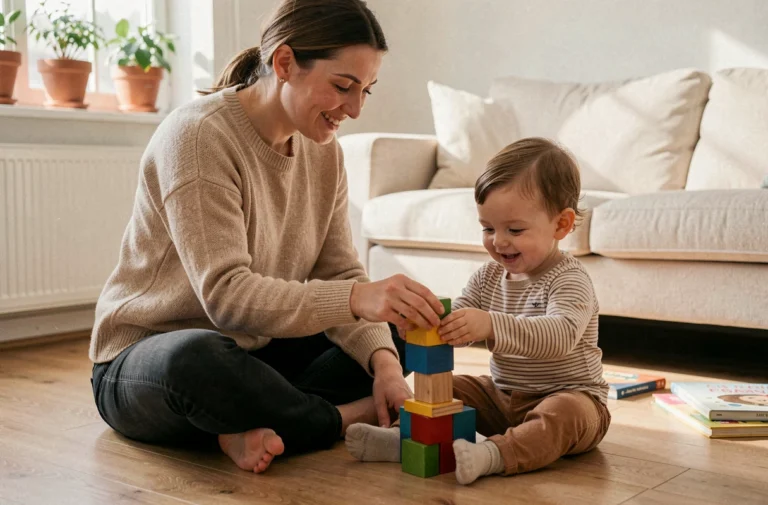
Becoming a foster family is a decision that transforms lives. This choice involves sharing one’s home, daily life, and providing a stable and loving environment for a child in need. It is a commitment that requires deep reflection and preparation from family members. The emotional, logistical, and financial stakes are significant. It is indeed a rewarding journey, but also one filled with challenges, where patience and resilience are essential. Potential families must inform themselves, train, and sincerely assess their readiness before opening the door of their lives to a new member.
The implications of becoming a foster family
In the current context, where the war in Ukraine has forced a considerable number of refugees onto the roads of exile, the notion of solidarity takes on a concrete and urgent dimension. Citizens like Daisy and Franck Chapheau embody this solidarity by opening their home to foster care. The children welcomed, often from conflict zones or struggling families, thus benefit from a stable and secure environment, essential for their development and integration. Joining the ranks of foster families means actively participating in a child protection act, but also committing to a journey where responsibilities are as heavy as the rewards are great.
The advantages and disadvantages of becoming a foster family deserve careful analysis. On one hand, the experience is a source of mutual enrichment, cultural discoveries, and open-mindedness. It strengthens the social fabric and puts into practice values of mutual aid and compassion. On the other hand, it involves daily upheavals, constant adaptations, and managing potential traumas in the children welcomed. The Chapheaus, like many others, testify to these realities, mentioning the profound joys but also the inherent difficulties of supporting children in need.
For families considering taking the plunge, reflection must focus on their ability to provide protection and unconditional support. Welcoming children, particularly those entrusted by Child Welfare services like the children welcomed by the Chapheaus, is not a trivial act. It is a long-term commitment that requires psychological, emotional, and material preparation. Every family member must be involved in the decision and ready to contribute to the balance and well-being of the child placed under their roof.

The steps and practical considerations for potential foster families
Engaging in the process to become a foster family in France begins with an awareness of the realities of foster care. First and foremost, potential candidates must question their ability to integrate a child who is not their own into their daily lives. This process, often initiated by a desire for solidarity and openness, requires in-depth dialogue among all family members. The notion of parenting is thus broadened, involving a relationship with the placed child that differs from that of a biological parent, yet is equally engaging and loving.
Once this reflection is undertaken, candidates must reach out to placement services, often managed by Child Welfare or associated organizations. This is followed by a rigorous evaluation process, including interviews, home visits, and training. This journey allows families to understand the practical and psychological aspects of foster care. Families must be ready to provide a stable environment that meets the often complex needs of placed children.
Establishing a placement framework is essential. This involves defining the living conditions of the child within the home, as well as the operational rules that respect both their situation and the existing family dynamics. Placement services assist families in this process, ensuring a smooth and orderly transition for the child. Foster parents, such as Daisy and Franck Chapheau, are then recognized as foster carers, a profession in its own right that requires dedication and specific skills.
The support does not stop at the placement of the child in the family. Regular follow-ups are conducted by the relevant services to ensure the child’s well-being and the suitability of the placement. Foster families receive ongoing support and additional training to address the challenges posed by the evolving needs of the child. The relationship between foster parents and biological parents, when possible, must also be managed carefully, for the benefit of all, especially that of the child.