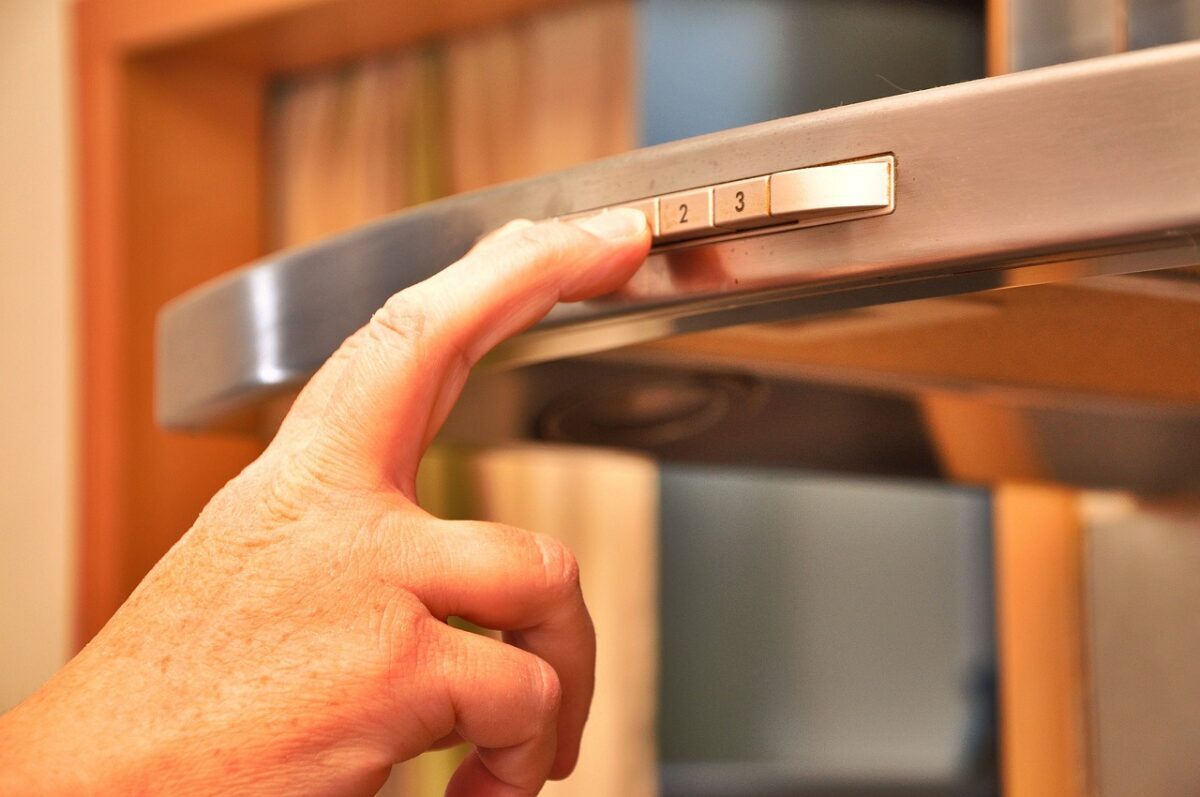
The insulation of a hood duct is essential to ensure the efficiency of the ventilation system, prevent heat loss, reduce noise disturbances, and avoid condensation. A well-insulated duct helps maintain a safe and comfortable kitchen environment.
Insulation materials for a hood duct
Several materials can be used to insulate a hood duct ventil eco. The choice of material depends on the specific needs of the kitchen and the type of duct.
Rock wool
Rock wool is a very effective insulating material for hood ducts. It withstands high temperatures and provides good thermal and acoustic insulation. It is also non-combustible, making it particularly suitable for use in kitchens.
Glass wool
Glass wool is another commonly used option for insulating hood ducts. It offers good thermal resistance and is also effective for acoustic insulation. However, it may be less resistant to extremely high temperatures compared to rock wool.
Insulating sleeves
Prefabricated insulating sleeves are a practical solution for insulating hood ducts. They are generally made of foam or rubber and are easy to install. They provide good thermal insulation and are available in various sizes to fit different duct diameters.
Steps to insulate a hood duct
Insulating a hood duct can be done by following a few simple steps. It is important to properly prepare the duct and use the appropriate materials to ensure effective insulation.
Duct preparation
Before insulating the duct, make sure it is clean and free of dust or grease. A clean duct will allow for better adhesion of the insulating materials.
- Clean the duct with a damp cloth to remove dust and debris.
- Use a degreaser to eliminate any traces of grease, especially if the duct is metal.
Measuring and cutting materials
Measure the length and diameter of the duct to determine the amount of insulating material needed. Cut the panels of rock wool or glass wool, or the insulating sleeves, according to the dimensions of the duct.
- Use a tape measure to measure the length and diameter of the duct.
- Cut the insulating materials using a sharp knife or sturdy scissors.
Installing the insulation
The installation of the insulating materials must be done carefully to ensure complete coverage and avoid thermal bridges.
Installing rock wool or glass wool
- Wrap the rock wool or glass wool panels around the duct.
- Secure the panels using heat-resistant tape or metal clamps.
- Ensure that the joints between the panels are tightly secured to prevent air leaks.
Installing insulating sleeves
- Slide the prefabricated insulating sleeves over the duct.
- Ensure that the sleeves cover the entire length of the duct.
- Secure the sleeves in place using clamps or heat-resistant tape.
Sealing joints
To ensure optimal insulation, it is important to seal the joints between the sections of the duct and the insulating materials.
- Use a sealant or heat-resistant tape to seal the joints between the rock wool or glass wool panels.
- For insulating sleeves, ensure that the junctions between the sections are tightly secured and sealed with heat-resistant tape.
The benefits of a well-insulated hood duct
Properly insulating a hood duct offers numerous advantages for the kitchen and the ventilation system.
Energy efficiency
A well-insulated duct reduces heat loss, which improves the energy efficiency of the hood. This helps lower heating and cooling costs.
Reduction of noise disturbances
Insulation helps to dampen the noise produced by the airflow in the duct. This contributes to creating a quieter and more pleasant kitchen environment.
Prevention of condensation
Proper insulation prevents condensation from forming on the walls of the duct, which reduces the risk of corrosion and damage to surrounding materials.
Increased safety
The use of non-combustible insulating materials, such as rock wool, increases safety in the event of a fire. This helps protect the kitchen and its occupants.